Live Innovation
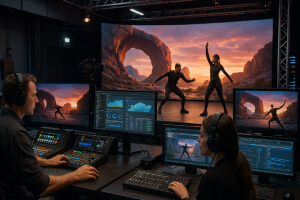
From traditional broadcasting setups, the live media technology has gone way far ahead. Once reserved for operations with big budgets, virtual productions are now utilized for live concerts, interactive shows, and remote events. Combining real-time rendering, motion capture, and cloud-based workflows allows creators to hold their audience immersed without the constriction of a physical set and bulky equipment. Cost-saving and creative options fall into this category. The main aspects are:
- Real-time rendering: Instant visualization of complicated scenes as opposed to placing them through hours of post-production.
- Motion capture integration: Performers control digital characters and effects live.
- Cloud-based workflows: Enable remote collaboration and scalable production.
- Cost efficiency: A cheaper alternative to physical infrastructure and on-site resources.
- Creative flexibility: Enables wider storytelling options through diverse digital environments
Virtual Production in Real Time
Virtual production merges live camera feeds with computer-generated environments. This allows directors and performers to interact naturally with digital sets, reducing setup times and costs while enabling rapid iteration. The result is visually dynamic content that can be adapted on the fly.
Cloud Broadcasting and Scalability
Cloud broadcasting removes geographical and hardware limitations, allowing live events to reach global audiences. By processing and distributing content via cloud servers, productions can scale seamlessly. Multi-location events benefit from reduced latency and improved synchronization, ensuring a smooth viewer experience.
Reducing Latency
Minimizing latency is critical for interactive media. High-speed streaming protocols, edge computing, and AI optimization help ensure that live content feels immediate. Low latency is particularly important for live sports, auctions, and performances, where real-time interaction is key to engagement.
Interactive Events
Audiences now expect to participate rather than passively watch. Polls, live chats, gamified elements, and social integration turn viewers into active participants, creating more engaging and memorable experiences.
Hybrid Experiences
Combining in-person events with virtual access allows organizers to reach larger audiences while retaining the energy of a live setting. Remote attendees can interact with on-site participants through Q&A sessions, polls, and other real-time tools, creating a shared experience across locations.
Designing Real-Time Engagement
Effective interactive design balances timing, interface, and storytelling. Live polls, Q&A sessions, and social media features should feel natural, maintaining immersion while encouraging participation. Well-executed engagement tools increase attention and overall satisfaction.
Data-Driven Interaction
Analytics are critical for understanding audience behavior. By tracking engagement patterns, drop-off rates, and interaction trends, teams can adjust live content in real time and plan future events more effectively. Data also informs marketing strategies and sponsorship opportunities.
Business of Streaming
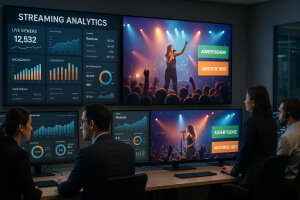
In the live-media area, beyond ticketing or subscriptions, another realm of business persists. Advertising, sponsorships, and paid microtransactions have become mainstream avenues of cash generation. Sophisticated analytics catch data points regarding viewer behavior in real time and allow content strategies to be modified accordingly to optimize potential revenue and engagement.
The very meaning of advertising is undergoing a transformation with the introduction of dynamic ad insertion and personalized ad delivery just so brands can pinpoint their desired live event audiences during stream time. For the creator and media company, knowing technology and business is essential if they want to keep their productions high-quality and profitable.
Behind the Signal
A seamless live experience depends on the technology running behind the scenes. Streaming protocols, bandwidth management, and codec optimization all affect quality and reliability. Professionals need to understand these systems to prevent disruptions, manage costs, and deliver consistent experiences.
Adaptive bitrate streaming, error correction, and network redundancy ensure smooth delivery across different devices and locations. For media professionals, technical expertise is as crucial as creative vision when producing live events.
Emerging Technologies
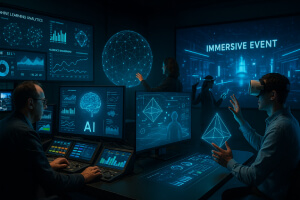
AI, machine learning, and immersive media are redefining live experiences. AI can automate camera operation, enhance video quality in real time, and even tailor content to individual viewers. Machine learning analyzes audience behavior to predict trends and optimize engagement.
Augmented reality (AR), virtual reality (VR), and mixed reality (MR) transform live events into fully interactive experiences. Participants can explore virtual venues, manipulate 3D objects, and collaborate digitally, opening creative possibilities previously unattainable. Staying informed about these tools allows professionals to experiment confidently with new formats.
Making Every Second Count
The real-time live media has many opportunities and challenges of its own. From the realm of production and interactive events to the matter of monetization and utility infrastructure for these technologies, every aspect needs care and expertise. When creators, marketers, and media professionals understand such technologies and trends, they surely make the audience experience resonate and engage simultaneously.